Dreamflow vs Miget
Side-by-side comparison to help you choose the right AI tool.

Dreamflow
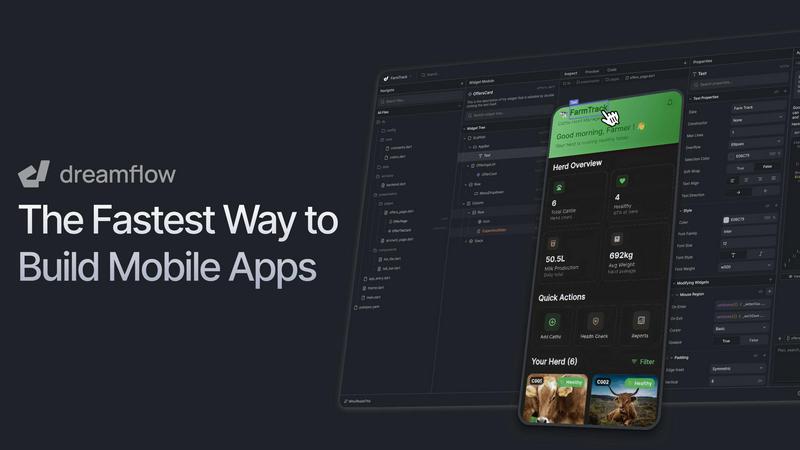
Dreamflow empowers you to effortlessly create stunning mobile apps using AI, visual design, and full code control.
Last updated: February 26, 2026

Miget
Deploy unlimited services on one flat-rate plan.
Visual Comparison
Dreamflow
Miget
Overview
About Dreamflow
Welcome to Dreamflow, where app development meets the future! This groundbreaking platform is designed for innovators, entrepreneurs, and developers who crave freedom in their creative process. With Dreamflow, building mobile apps transforms from a daunting task into a seamless and exhilarating experience. Whether you are whipping up a quick prototype or diving into the depths of Flutter code, Dreamflow empowers you to manifest your unique vision without the hassle. Imagine a tri-surface editing system that allows you to toggle effortlessly between AI prompts, a vibrant visual canvas, and full code, all while keeping your project in sync. Wave goodbye to the constraints of traditional app-building tools that box you into rigid prototypes or limited no-code environments. Dreamflow is your all-in-one solution, combining speed, flexibility, and control. With just a few clicks, you can deploy production-ready apps across multiple platforms. Join a thriving community of over 2 million builders and discover the revolutionary landscape of app development today!
About Miget
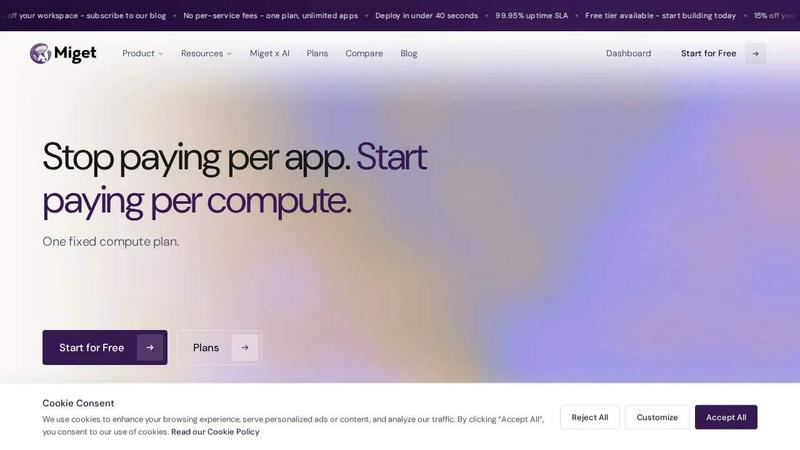
Miget – Stop paying per app. Start paying per compute.
Traditional PaaS platforms charge you for every app, database, and worker separately. Miget flips that model: pick a fixed compute plan, then deploy as many services as you want inside it.
- Unlimited apps, databases, and background workers per plan
- No per-service billing surprises
- Built on Kubernetes with full isolation between tenants
- Deploy from Git, GitHub, Registry with zero-config builds
- Managed PostgreSQL, Redis, and more
- Custom domains with automatic TLS
Whether you're running a single side project or a full production stack, you only pay for the compute you reserve—not the number of things you run on it.