Bolt Scraper vs Miget
Side-by-side comparison to help you choose the right AI tool.

Bolt Scraper
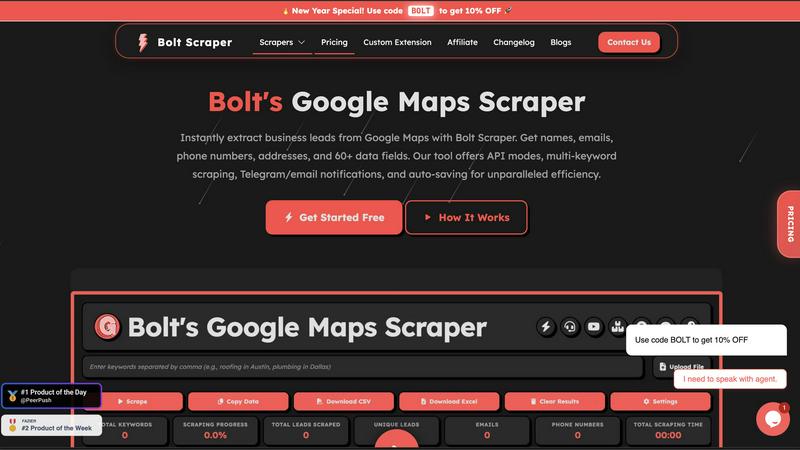
Supercharge your growth by effortlessly scraping verified B2B leads from Google Maps and beyond with Bolt Scraper.
Last updated: February 26, 2026

Miget
Deploy unlimited services on one flat-rate plan.
Visual Comparison
Bolt Scraper
Miget
Overview
About Bolt Scraper
Welcome to the future of lead generation with Bolt Scraper! This powerhouse tool is designed for hustlers, marketers, sales teams, and agencies who refuse to settle for mediocre results. Forget the tedious process of hunting down leads one by one; Bolt Scraper automagically extracts high-quality contact information from the biggest platforms on the web, including Google Maps, Facebook, Yellow Pages, and millions of websites. With its innovative suite of specialized scrapers, you can gather emails, phone numbers, and social links in bulk, transforming your lead gen game from zero to a hundred in no time. What sets Bolt Scraper apart? A one-time payment for unlimited leads, game-changing features like background operation, Telegram integration, and auto-captcha solving. While you catch some Zs, Bolt Scraper is hard at work filling your pipeline with qualified leads, allowing you to focus on what really matters: closing deals and driving growth. Get ready to supercharge your lead generation with a tool that’s built for modern business warriors!
About Miget
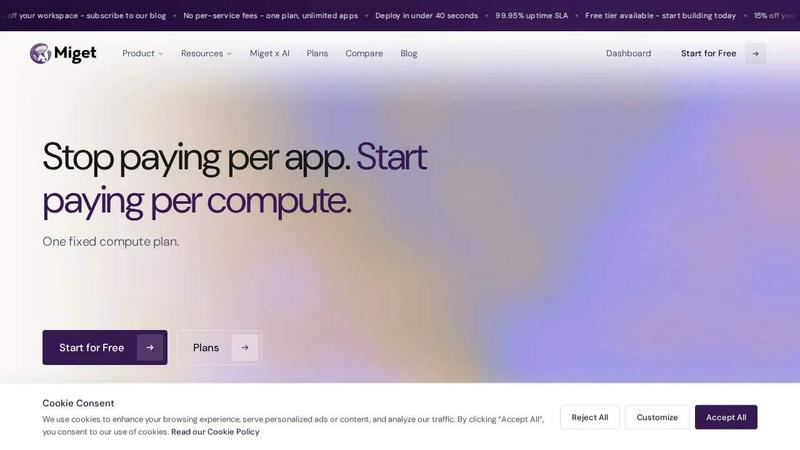
Miget – Stop paying per app. Start paying per compute.
Traditional PaaS platforms charge you for every app, database, and worker separately. Miget flips that model: pick a fixed compute plan, then deploy as many services as you want inside it.
- Unlimited apps, databases, and background workers per plan
- No per-service billing surprises
- Built on Kubernetes with full isolation between tenants
- Deploy from Git, GitHub, Registry with zero-config builds
- Managed PostgreSQL, Redis, and more
- Custom domains with automatic TLS
Whether you're running a single side project or a full production stack, you only pay for the compute you reserve—not the number of things you run on it.