
Alternatives to Self-Healing Integrations
Explore the best alternatives and competitors to Self-Healing Integrations.
Explore 20 alternatives to Self-Healing Integrations. Compare features, pricing, and find the best fit for your needs.


Zeptap
Zeptap lets AI use your real iPhone like you do: open apps, read the screen, tap, swipe and type. Reply to DMs, post Stories, book rides, test apps.

Regentflow
AI stocktakes, staff rosters and voice-typed spreadsheets for cafes, bars and restaurants, plus free invoices, 30 PDF tools and custom merch.


Burning Bridges AI
Turn one photo into the chandelier-party video: pick a moment, get an 8-second clip with sound.

AIClothesChanger
Free AI clothes changer online. Swap outfits and try on clothes from a photo in minutes — create a free account to start, no card required.

ColdCrow
AI cold email writer with a deliverability score - describe a prospect, get a personalized draft in seconds.

Tapetide
AI-first stock research for India. Ask TapeAi about any NSE or BSE stock, or connect Claude, ChatGPT and Cursor to Tapetide's MCP server.

Zachai
Host exams for any class: handwritten papers, quizzes, essays and OMR sheets. AI drafts grades against your rubric; you edit and publish.
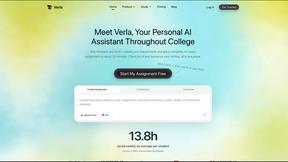
Verla AI
Verla is an AI academic assistant for university and college students, combining AI essay writing, academic research, AI detection, AI humanization, p


Voxelle
Free AI voice generator: turn text into natural speech and download MP3 audio in seconds.
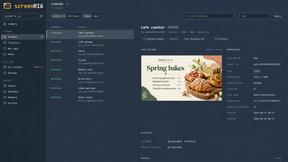
screenRIG
Signage and kiosk infrastructure for AI agents. Your agent publishes images, video, streams, web pages and apps to screens via one plugin.screenRIG is

HeyReagent
Connect your own LinkedIn to Claude, ChatGPT or n8n: read your inbox, send messages and invitations, search people. Free to start.

Novastart
Novastart brings apps and files onto an infinite canvas where people and AI agents can work together.



ReadyHermes
Your own hosted Hermes Agent in a minute: memory, self-learning skills, schedules, a real browser and 1,000+ app connections.

LinkIntel
MCP server that gives your AI assistant evidence for its next X post, from your own measured results.

About Self-Healing Integrations Alternatives
You’ve been burned before. You bought into the hype of "set it and forget it" integration tools, only to watch your custom workflows crash, drift, or require a developer on speed dial to patch things up after every API update. Self-Healing Integrations, powered by Plumbed.io, sits squarely in the AI Assistants category—but it’s not your grandma’s middleware. This platform doesn’t just build connections; it deploys an AI agent that actively monitors, adapts, and repairs your integrations in real-time, slashing that soul-crushing "integration tax" that makes every new channel a budget-wrecking nightmare. So why are users hunting for alternatives? Sometimes it’s sticker shock from premium AI tiers, or maybe the platform’s heavy agentic focus feels like overkill for a simple two-way sync. Others might need a more lightweight, DIY approach with zero AI overhead, or they want a tool that plays nicer with legacy on-prem systems. When shopping around, look for three things: rock-solid uptime guarantees, transparent pricing that doesn’t punish you for scaling, and a dashboard that actually lets you see what your integration is doing—because blind trust in any tool is a rookie move. Don’t settle for a glorified spreadsheet connector; demand a system that evolves with your stack.
FAQs about Self-Healing Integrations Alternatives
What is Self-Healing Integrations?
Self-Healing Integrations is an AI-managed lifecycle platform from Plumbed.io that builds, monitors, and maintains custom integrations after go-live. Unlike traditional integration tools that stop working after deployment, this platform uses an agentic AI to automatically detect issues, apply fixes, and adapt to API changes in real time. It replaces the need for endless custom integration projects with a self-sustaining system that keeps running without constant developer intervention.
Who is Self-Healing Integrations for?
Self-Healing Integrations is built for companies that are tired of paying the integration tax—those hidden costs and delays that come with launching every new channel, system, or partner. It’s ideal for teams running custom integrations that require ongoing changes, monitoring, and maintenance after go-live, especially in fast-moving environments where APIs update frequently. If your business relies on complex, multi-system workflows and you want to stop babysitting your connections, this platform is your jam.
Is Self-Healing Integrations free?
No, Self-Healing Integrations is not free. It is a premium platform designed to replace expensive custom integration projects with an AI-managed lifecycle, so pricing reflects the value of continuous monitoring, self-repair, and proactive maintenance. For specific pricing tiers and plans, you would need to check Plumbed.io directly, as costs scale based on integration complexity and volume.
What are the main features of Self-Healing Integrations?
The main features include an AI agent that builds integrations and keeps them running autonomously, real-time monitoring to catch failures before they snowball, and automatic adaptation to API changes without manual code rewrites. It also provides a centralized lifecycle management dashboard, eliminating the need for separate monitoring tools or dedicated integration engineers. The platform is categorized under AI Assistants, meaning it actively assists your team by handling the grunt work of integration maintenance.