LunoKid vs Tickari
Side-by-side comparison to help you choose the right AI tool.

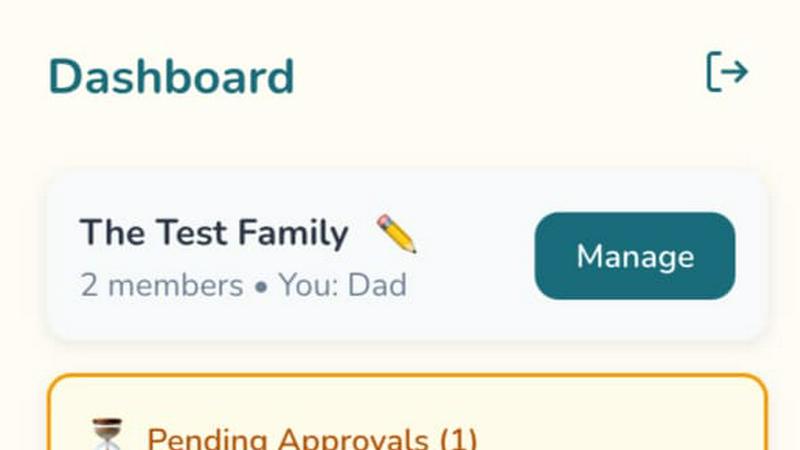
LunoKid transforms chores into a fun adventure, motivating kids with a virtual pet while parents effortlessly manage.
Last updated: February 26, 2026

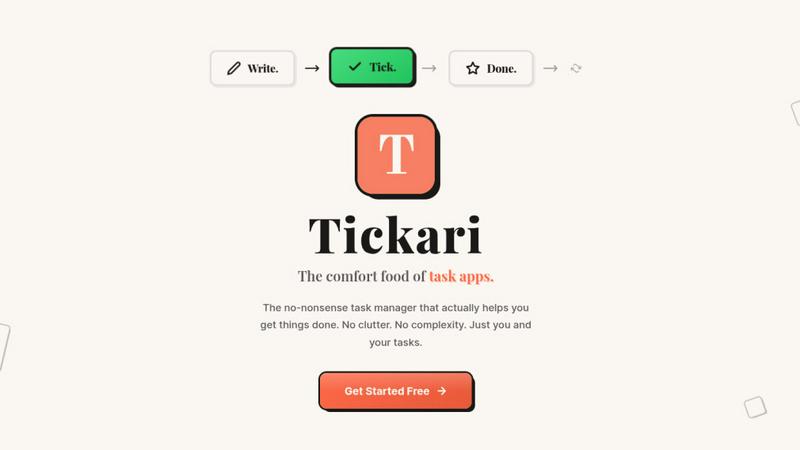
The no-nonsense task manager that actually helps you get things done. No clutter. No complexity. Just you and your tasks.
Visual Comparison
LunoKid
Tickari
Overview
About LunoKid
LunoKid is the ultimate game-changer for parents looking to turn daily chores into an adventurous quest for kids aged 5-12. This innovative chore app isn’t just about checking off to-do lists; it’s about immersing children in an engaging world where they earn points and unlock rewards by taking care of an adorable virtual pet named Luno. Designed for busy families, LunoKid makes teaching responsibility a breeze, eliminating the need for constant reminders. Parents can easily assign tasks, set point values, and create a motivating reward system that encourages kids to embrace their responsibilities. The fusion of gamification and accountability fosters lifelong habits, while parents enjoy streamlined task management. With LunoKid, chores become a fun-filled journey, seamlessly blending responsibility with play, ensuring that everyone wins in the chore game.
About Tickari
Tickari is a deliberately minimal, no-nonsense task manager designed for people who are tired of overcomplicated productivity tools and just want to get things done. Instead of overwhelming you with features like complex boards, AI-generated suggestions, or endless customization, Tickari focuses on a simple, frictionless workflow: write a task, tick it off, and move on.
The product embraces a “less but better” philosophy—eliminating clutter, reducing cognitive overhead, and removing the need for onboarding tutorials or setup processes. There are no distractions, no unnecessary decisions, and no feature bloat—just a clean interface that works instantly the moment you open it. This makes it particularly effective for users who feel stuck organizing tasks instead of actually completing them.