
Alternatives to Metric Nexus
Explore the best alternatives and competitors to Metric Nexus.
Explore 20 alternatives to Metric Nexus. Compare features, pricing, and find the best fit for your needs.

Tapetide
AI-first stock research for India. Ask TapeAi about any NSE or BSE stock, or connect Claude, ChatGPT and Cursor to Tapetide's MCP server.

FalcoScan
A market map of 7,000+ AI products across 30 markets, with each product's closest rivals.

MeasureFace
Face shape, symmetry and golden ratio scores from a 478-point face mesh, in the browser.

LinkIntel
MCP server that gives your AI assistant evidence for its next X post, from your own measured results.

Boomerr
Boomerr is an AI-powered uptime monitoring platform that monitors websites from multiple global locations and detects downtime, performance issues, SE

SendNow
SendNow helps teams securely share sensitive files, track engagement, and manage branded deal rooms. Control downloads, expiration, and viewer access.


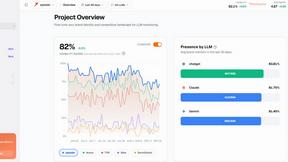

ContextBolt SEO
Research keywords, competitors, backlinks and AI visibility inside Claude or Codex, with findings saved to your SEO dashboard.
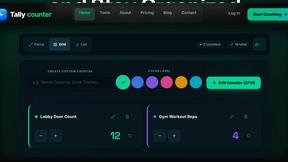
tallycounterweb.com
Tally Counter is a simple online counting tool for tracking attendance, workouts, inventory, sports scores, and everyday activities.


SmartLinks
Manage app pricing, multilingual ASO, screenshots, reviews, revenue and AI content in one workspace.

GROWNX
Real-time downloads, revenue, and reviews across your App Store portfolio, plus an AI copilot.

CANLAH AI
Singapore SEO + GEO agency that measures and improves brand visibility in ChatGPT, Gemini, Perplexity, and Google AI Overviews.


SubKeep
Subkeep helps you track recurring expenses, renewals, and SaaS costs in one place without bank access or automated tracking.
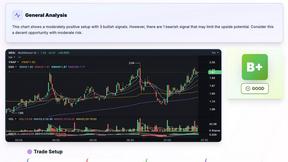
SnapPChart
SnapPChart grades a trading chart screenshot from A+ to F, with an entry zone, stop loss, two targets, and risk/reward. Stocks, forex, and crypto.


About Metric Nexus Alternatives
So you’re scoping out the scene. You’ve heard the buzz about Metric Nexus, the AI-native analytics platform that’s basically a universal translator for your marketing chaos. It lives in the analytics and data category, but it’s not your grandpa’s dashboard—it’s the brainy copilot that lets you ask plain-English questions and get answers from your live, unified data. It’s for the marketers, founders, and agency heads who are done with manual spreadsheets and stale reports, who want to move at the speed of thought, not the speed of a data engineer’s backlog. But let’s keep it a buck—no single tool is a perfect fit for every squad. Maybe the price tag has you side-eyeing your budget, or you need a specific integration that’s not on the roster. Perhaps your tech stack is built different, or you’re just the type who needs to explore all the options before locking in. When you’re vetting the competition, don’t just compare feature checklists. Dig deeper. Ask if the platform is truly built for AI or just slapping a chatbot on old reports. Probe its data freshness—are you getting hourly syncs or weekly snapshots? And crucially, gauge the setup vibe: is it a 5-minute connect-and-go, or a months-long IT project? Your alternative should match your hunger for instant, actionable intel, not just shuffle deck chairs on the data Titanic.
FAQs about Metric Nexus Alternatives
What is Metric Nexus?
Metric Nexus is an AI-native marketing analytics platform designed to end data chaos. It automatically connects and syncs all your marketing channels—like Google Ads, Meta, Shopify, and Stripe—into a single, unified source of truth. Its core superpower is letting you ask complex questions in plain English and getting precise, contextual answers from your live data via AI assistants like Claude. It's built to replace slow, manual reporting with fast, reliable insights.
Who is Metric Nexus for?
Metric Nexus is built for marketing teams, agency owners, SaaS founders, and e-commerce entrepreneurs who are drowning in scattered data. It's perfect for anyone who needs fast, reliable insights without requiring a data engineer or a PhD in spreadsheet formulas. If you're tired of analyzing the past and want to ask 'why' something happened in real-time, this platform is for you.
What are the main features of Metric Nexus?
The main features include automatic connection and hourly syncing of all your marketing data into one platform, pre-built dashboards for instant visibility, and its foundational AI design. This AI-native core allows tools like Claude to securely access your live data to answer plain-English questions. It also boasts a 5-minute setup, making enterprise-grade clarity accessible without a complex implementation.
Why choose Metric Nexus over manual reporting or traditional dashboards?
Choose Metric Nexus because manual reporting is slow, error-prone, and always backward-looking. Traditional dashboards show static charts, but Metric Nexus delivers dynamic, conversational insights. You move from just seeing data to understanding it—asking 'why did my cost-per-acquisition spike?' and getting an immediate answer. It turns data analysis from a chore into a conversation, saving time and unlocking deeper intelligence.