
Alternatives to DepthSight
Explore the best alternatives and competitors to DepthSight.
Explore 11 alternatives to DepthSight. Compare features, pricing, and find the best fit for your needs.
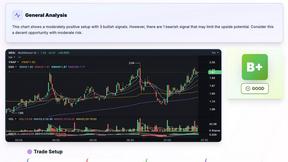
SnapPChart
SnapPChart grades a trading chart screenshot from A+ to F, with an entry zone, stop loss, two targets, and risk/reward. Stocks, forex, and crypto.
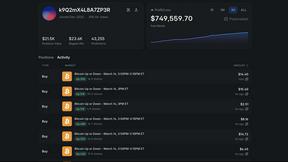
Polymarket Trading Bot For Crypto
This bot reverse engineers a legendary 68 to 1.5 million dollar Polymarket strategy, automating high frequency crypto arbitrage for you.
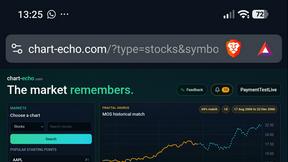
Chart Echo
Chart Echo mines 450 million past patterns to show you exactly how your current setup played out before.
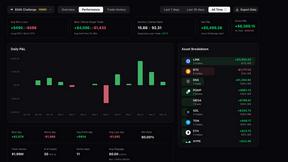
Propr
Unlock your trading potential with Propr: conquer one challenge to gain up to 100K funding and keep 80% of your profits.
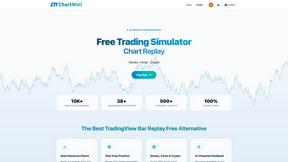
ChartMini
ChartMini lets you replay stock, forex, and crypto charts bar-by-bar for risk-free trading practice with zero signup required.
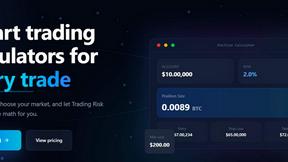
Trading Risk Lab
Take control of your trades with Trading Risk Lab, the ultimate toolkit for smart risk management and precise position sizing.
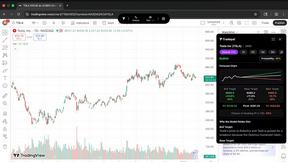
Tradepal
Tradepal transforms your stock charts into AI-driven insights, revealing trends and targets to supercharge your trading.
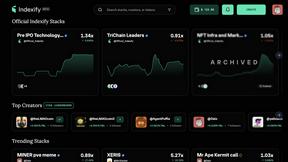
Indexify
Indexify is your ultimate crypto playground on Solana, where you follow experts and invest in expert-curated portfolios.
About DepthSight Alternatives
DepthSight is a free, self-hosted, open-source platform that lets you build advanced AI crypto trading bots without writing a single line of code. It sits squarely in the algorithmic trading and bot-building category, but with a twist—it’s a visual playground where you drag and drop nodes to create strategies, and an AI Co-Pilot analyzes your backtests to spot risk holes before you go live. Users start hunting for alternatives when they want features DepthSight doesn’t offer, like cloud-hosted convenience, premium AI models, or integration with exchanges not on its list. Others might crave a simpler interface or a paid support structure, especially if self-hosting with Docker feels like a chore. When scoping out other options, focus on three things: the cost of ownership (free vs. subscription), the level of control over your data (self-hosted vs. third-party servers), and the depth of AI analysis—some tools just backtest, while others actually tell you what’s broken. Beyond that, you want a platform that matches your skill ceiling. If you’re a coder, maybe you need raw API access; if you’re a no-coder, the visual builder is king. Also check exchange compatibility—if you trade on obscure DEXs, DepthSight’s big-name CEX support might not cut it. Finally, look for community size and documentation; a solo developer’s project can leave you stranded, while a robust ecosystem keeps your bots evolving. DepthSight nails privacy and price, but if you need hand-holding or cloud deployment out of the box, you’ll want to dig deeper into the alternatives landscape.
FAQs about DepthSight Alternatives
What is DepthSight?
DepthSight is a free, open-source, self-hosted AI trading bot platform designed for crypto markets. It allows users to build and automate trading strategies using a visual drag-and-drop node builder, eliminating the need for coding. The platform also features an AI Co-Pilot that analyzes backtesting results to identify risk management weaknesses and suggest optimizations before deploying real capital.
Who is DepthSight for?
DepthSight is built for crypto traders of all skill levels, from complete beginners to seasoned quants. It is especially useful for those who want to automate trading strategies without learning programming languages like Python or JavaScript. It also appeals to privacy-focused users who prefer self-hosting their trading infrastructure rather than relying on third-party SaaS platforms.
Is DepthSight free?
Yes, DepthSight is completely free to use. There are no subscription fees, hidden costs, or premium tiers that lock core features. The platform is open-source, meaning anyone can download, self-host, and modify the software. The only costs you may incur are for the cloud infrastructure (such as Vultr or DigitalOcean) where you deploy the Docker container.
Is DepthSight secure?
DepthSight prioritizes security through its self-hosted architecture. Your API keys and proprietary trading strategies remain on your personal server and never leave your control. The platform does not store or transmit your data to third-party servers. However, as with any self-hosted solution, security ultimately depends on your own server configuration and best practices for securing Docker deployments.