
Alternatives to Decker
Explore the best alternatives and competitors to Decker.
Explore 20 alternatives to Decker. Compare features, pricing, and find the best fit for your needs.


Burning Bridges AI
Turn one photo into the chandelier-party video: pick a moment, get an 8-second clip with sound.
AIClothesChanger
Free AI clothes changer online. Swap outfits and try on clothes from a photo in minutes — create a free account to start, no card required.
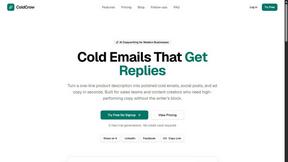
ColdCrow
AI cold email writer with a deliverability score - describe a prospect, get a personalized draft in seconds.
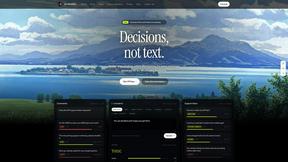
JevModel
Bilingual console and guide for the jev decision model: classify, route, and score text or JSON.

Tapetide
AI-first stock research for India. Ask TapeAi about any NSE or BSE stock, or connect Claude, ChatGPT and Cursor to Tapetide's MCP server.
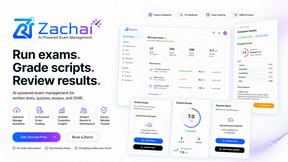
Zachai
Host exams for any class: handwritten papers, quizzes, essays and OMR sheets. AI drafts grades against your rubric; you edit and publish.

LinkedNav
LinkedNav detects LinkedIn buying signals and sends personalized outreach you approve. Built for founders and lead-gen agencies.
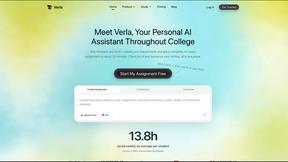
Verla AI
Verla is an AI academic assistant for university and college students, combining AI essay writing, academic research, AI detection, AI humanization, p

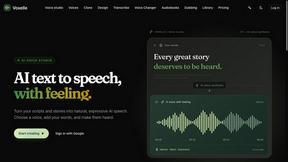
Voxelle
Free AI voice generator: turn text into natural speech and download MP3 audio in seconds.
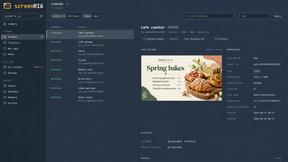
screenRIG
Signage and kiosk infrastructure for AI agents. Your agent publishes images, video, streams, web pages and apps to screens via one plugin.screenRIG is
HeyReagent
Connect your own LinkedIn to Claude, ChatGPT or n8n: read your inbox, send messages and invitations, search people. Free to start.
Novastart
Novastart brings apps and files onto an infinite canvas where people and AI agents can work together.



ArcSolar
Australian solar CRM by Argonix Digital: connect sales, quotes, calls, jobs and payments with AI bill analysis and call intelligence.
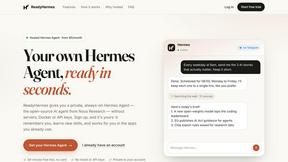
ReadyHermes
Your own hosted Hermes Agent in a minute: memory, self-learning skills, schedules, a real browser and 1,000+ app connections.
About Decker Alternatives
Decker is a Deliverable OS and monetization platform that sits at the intersection of AI Assistants and Automation, designed specifically for the high-stakes world of consultants, investors, and finance pros. It’s essentially a digital brain that chews through your chaos—think messy files, scattered notes, raw transcripts, and stale templates—and spits out polished decks, memos, financial models, and review tables. While it’s a beast for packaging your expertise into sellable assets, users often start hunting for alternatives when the price tag feels too steep for a solo operator, the platform’s heavy AI dependency doesn’t vibe with their workflow, or they need a more stripped-down tool that doesn’t force a monetization angle. Others bail because they want something that plays nicer with their existing stack or offers a lighter, faster interface without the bloat of a full OS. When scouting for a replacement, you need to get real about what you actually need versus what’s just shiny hype. Look for a tool that nails the core deliverable creation bit without bogging you down with features you’ll never touch—speed and simplicity often beat complexity in the trenches. Check if it integrates like a dream with your go-to apps (think cloud storage, CRMs, or presentation software), because friction kills momentum. Also, keep an eye on pricing models: some platforms charge per seat or per output, which can wreck a small team’s budget, while others offer flat rates that scale better. Finally, don’t sleep on security—if you’re handling sensitive client data, end-to-end encryption and compliance certs are non-negotiable, not just a nice-to-have.
FAQs about Decker Alternatives
What is Decker?
Decker is an AI-powered Deliverable OS and monetization platform built for consultants, investors, finance professionals, and operators. It transforms messy files, notes, transcripts, and templates into polished deliverables like decks, memos, models, reports, analyses, and review tables. Beyond creation, it helps users capture, annotate, and package their expertise for future reuse and direct monetization.
Who is Decker for?
Decker is designed specifically for consultants, investors, finance professionals, and operators who need to turn raw data and fragmented notes into high-quality client-facing deliverables. It caters to both solo practitioners looking to monetize their expertise and teams that require a streamlined workflow for creating decks, reports, and financial models. The platform is tailored for knowledge workers who produce a high volume of structured outputs and want to repurpose their work for recurring revenue.
Is Decker free?
Decker is not a free platform; it operates on a premium pricing model that reflects its advanced AI capabilities and monetization features. While specific pricing tiers are not detailed here, users typically pay for access to the full suite of deliverable creation, annotation, and packaging tools. A free trial may be available, but sustained use requires a paid subscription, which is a common reason users explore alternatives if the cost doesn't align with their budget or usage frequency.
What are the main features of Decker?
Decker's core features include AI-powered conversion of messy files, notes, transcripts, and templates into polished deliverables such as decks, memos, models, reports, analyses, and review tables. It also offers tools to capture and annotate expertise, allowing users to package their knowledge for future reuse and direct monetization. The platform falls under the categories of AI Assistants and Automation, meaning it automates repetitive formatting and structuring tasks while providing intelligent suggestions to speed up the creation process.