Dreamspoken vs Tickari
Side-by-side comparison to help you choose the right AI tool.

Dreamspoken
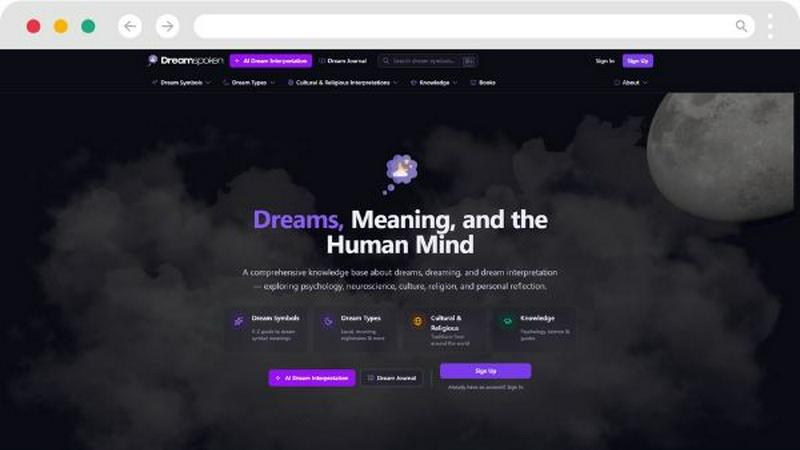
Unlock the secrets of your dreams with Dreamspoken, your ultimate guide to interpretation, reflection, and sleep.
Last updated: February 28, 2026

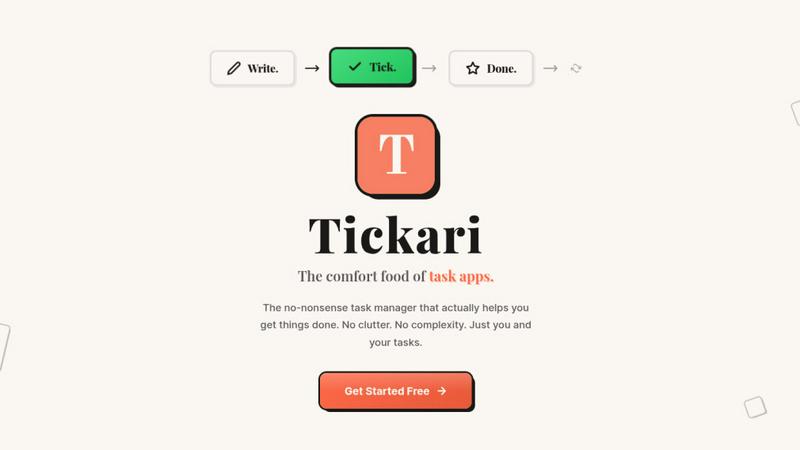
The no-nonsense task manager that actually helps you get things done. No clutter. No complexity. Just you and your tasks.
Visual Comparison
Dreamspoken
Tickari
Overview
About Dreamspoken
Dreamspoken is your ultimate online knowledge hub for all things dreams, diving deep into the labyrinth of the subconscious mind. Designed for dream enthusiasts, psychologists, and curious souls alike, this platform offers a treasure trove of information on dream interpretation, psychology, and cultural insights. Forget cookie-cutter dream meanings; Dreamspoken embraces the individuality of each dream experience, emphasizing that dreams are reflections shaped by personal memories, emotions, and life contexts. With a structured library of common dream symbols, dream types, and cultural interpretations, users can embark on a journey to decode the rich tapestry of their nighttime narratives. Whether you're a casual dreamer looking to understand your dreams or a serious scholar researching the psyche, Dreamspoken serves as a bridge between science and self-discovery. Plus, with optional tools like AI-based dream analysis and a private dream journal, you can document and reflect on your dreams, transforming abstract thoughts into actionable insights.
About Tickari
Tickari is a deliberately minimal, no-nonsense task manager designed for people who are tired of overcomplicated productivity tools and just want to get things done. Instead of overwhelming you with features like complex boards, AI-generated suggestions, or endless customization, Tickari focuses on a simple, frictionless workflow: write a task, tick it off, and move on.
The product embraces a “less but better” philosophy—eliminating clutter, reducing cognitive overhead, and removing the need for onboarding tutorials or setup processes. There are no distractions, no unnecessary decisions, and no feature bloat—just a clean interface that works instantly the moment you open it. This makes it particularly effective for users who feel stuck organizing tasks instead of actually completing them.