
Best Generative Art AI tools (10+)
Discover 10+ best generative art AI tools. Compare features, pricing, and reviews. Free and paid options available.
Modelfy 3D
Transform any image into stunning 3D models in seconds with Modelfy 3D's powerful AI generator, now 50% off!.
Toon Composer
ToonComposer instantly transforms your sketches into smooth cartoon animations with cutting-edge AI technology.
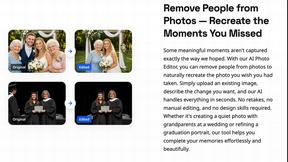
AI Photo Editor
Elevate your photos instantly with AI magic that removes distractions, changes backgrounds, and enhances every memory.
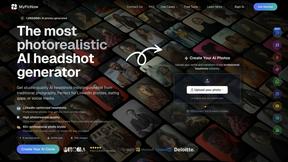
MyPicNow
Elevate your game with MyPicNow's AI headshots for LinkedIn and dating that guarantee more views and matches, instantly.

Grok Imagine
Turn your ideas into stunning AI videos in seconds with Grok Imagine's text-to-video and image-to-video features.
Berrioo
Berrioo lets you effortlessly create pro-quality images from text or photos in seconds, no design skills needed.
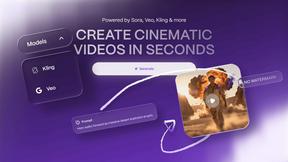
Vailo AI
Vailo AI transforms your text and images into stunning, watermark-free videos and images effortlessly, no design skills.
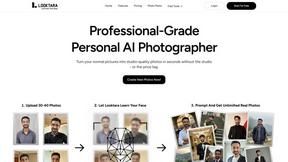
Looktara
Looktara is your ultimate AI photographer, delivering stunning, genuine photos that vibe with your style in minutes.
Flow Veo 3
Flow Veo 3 unleashes your imagination, turning ideas into stunning, cinematic videos with groundbreaking AI technology.

Fluidium
Unlock your creativity and dive into mesmerizing fluid art with Fluidium's touch-responsive presets and custom designs.
FAQs for Generative Art
What is the unique benefit of using the Generative Art Category for artists?
The unique benefit of using the Generative Art Category for artists lies in its ability to produce diverse and original artwork through AI algorithms. This innovative approach enables artists to explore new creative avenues, saves time, inspires fresh ideas, and enhances their overall artistic output, making it an essential tool in modern artistry.
How does data influence the Generative Art Category’s outputs?
Data significantly influences the Generative Art Category’s outputs by allowing artists to feed specific datasets into the creative process. This feature enhances the narrative depth of the artwork, allowing for more personalized and context-rich creations that resonate with viewers, thus elevating the overall effectiveness and appeal of the art.
In what ways can artists customize their outputs in the Generative Art Category?
Artists can customize their outputs in the Generative Art Category by defining specific parameters such as color palettes, styles, and shapes. This tailored approach allows for a high degree of personalization, ensuring that the generated artwork aligns with the individual artist's vision and identity, enhancing the creative experience.
What sets the Generative Art Category apart from traditional art methods?
What sets the Generative Art Category apart from traditional art methods is its incorporation of advanced AI and algorithms to automate and enhance the creative process. This technological integration leads to unique, unpredictable creations that challenge conventional artistic boundaries, offering a fresh perspective and innovative solutions.
What essential functionality does the Generative Art Category provide for artists?
The essential functionality provided by the Generative Art Category lies in its ability to automate art creation, allowing artists to quickly generate multiple unique pieces. This efficiency enables artists to experiment more freely, overcome creative blocks, and explore a broader range of ideas, ultimately enriching their artistic practice.
How do users benefit from the unique features of the Generative Art Category?
Users benefit from the unique features of the Generative Art Category by gaining access to innovative tools that enhance their artistic workflows. The ability to customize outputs, explore algorithmic creativity, and utilize data-driven designs allows artists to expand their creativity and produce compelling works that stand out in a crowded art landscape.
You may also like
Blogging & Publishing
Blogging & Publishing Category facilitates content sharing, enhancing visibility and engagement.
Career & Jobs
The Career & Jobs Category is essential for job seekers, providing listings and advice.
Audio & Music
The Audio & Music Category streamlines audio production, providing tools that enhance creativity and collaboration for musicians.
Photography
The Photography Category connects photographers with AI tools that optimize workflows and enhance creativity.
Task Management
The Task Management Category streamlines project workflows and enhances productivity.
Language & Translation
Explore the Language & Translation Category for efficient AI tools that enhance multilingual communication.
Robotics
The Robotics Category showcases automation solutions that boost productivity and efficiency.
Marketing
The Marketing Category simplifies digital campaigns, offering essential tools for marketers.